
 Burnley
 Blackburn Rovers
 Coventry City
 Derby County
 Leeds United
 Luton Town
 Middlesbrough
 Millwall
 Norwich City
 Portsmouth
 Sheffield Wednesday
 Sheffield United
 QPR
QPR


Blackburn Rovers absentee owners Venky’s are not actively looking to sell the club despite growing pressure on the India-headquartered regime.
Rovers were tipped for Championship relegation by most of the punditocracy ahead of 2024-25 but, even despite a cataclysmic run of form of late, are in with an outside chance of the play-offs with nine to go.
That said, Valerian Ismael’s three defeats from his four since he replaced John Eustace in the Ewood Park dugout have made a return to the Premier League looking like a very, very remote possibility.
| Position | Team | Played MP | Won W | Drawn D | Lost L | For GF | Against GA | Diff GD | Points Pts |
| 6 |  West BromWest Brom West BromWest Brom | 38 | 13 | 18 | 7 | 48 | 34 | 14 | 57 |
| 7 |  Bristol CityBristol City Bristol CityBristol City | 38 | 14 | 15 | 9 | 49 | 41 | 8 | 57 |
| 8 |  MiddlesbroughMiddlesbrough MiddlesbroughMiddlesbrough | 38 | 15 | 9 | 14 | 57 | 48 | 9 | 54 |
| 9 |  BlackburnBlackburn BlackburnBlackburn | 38 | 15 | 7 | 16 | 42 | 40 | 2 | 52 |
| 10 |  WatfordWatford WatfordWatford | 38 | 15 | 7 | 16 | 47 | 51 | -4 | 52 |
| 11 |  MillwallMillwall MillwallMillwall | 38 | 13 | 12 | 13 | 37 | 39 | -2 | 51 |
The mood in East Lancashire – the blue-and-white half of it, at least – is at its lowest ebb for several years.
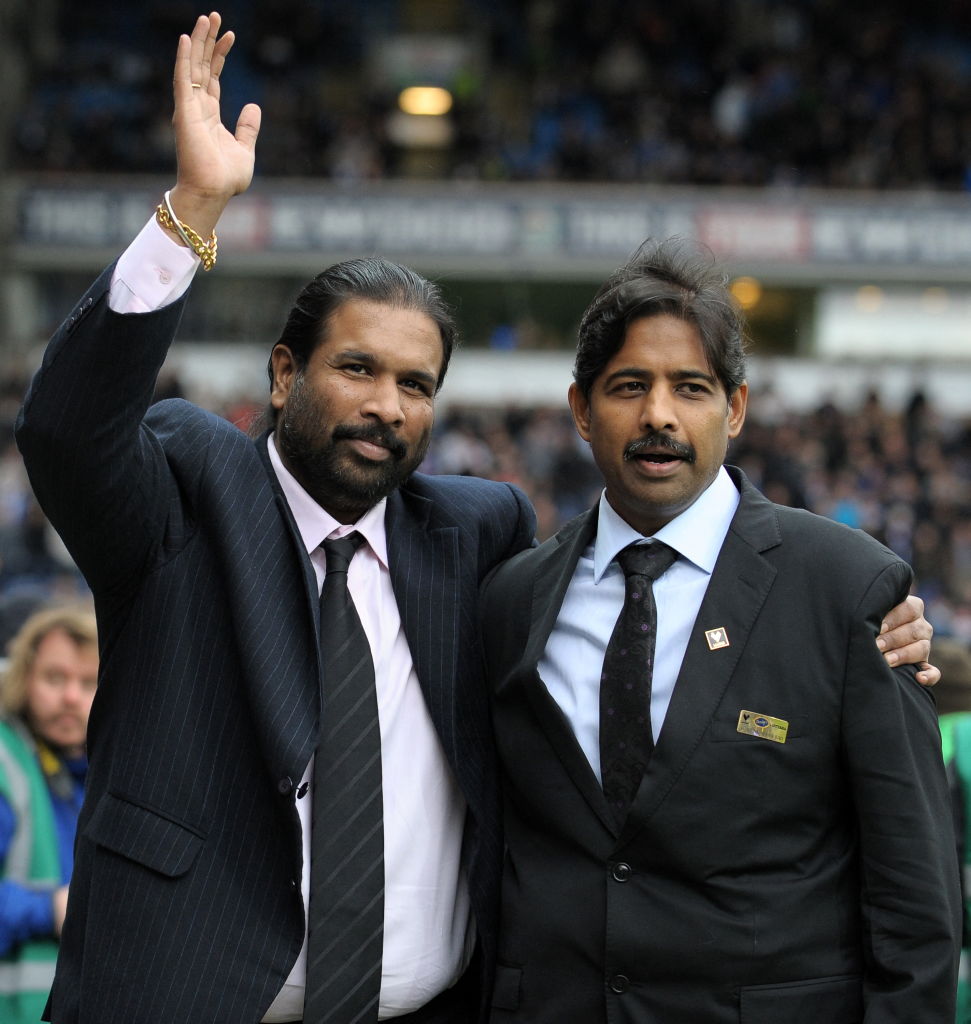
Some have wearily accepted that Venky’s, who have not attended a Blackburn game in 12 years, are here to stay. Others have gone back into protest mode, though there has been no chicken on the pitch as yet.
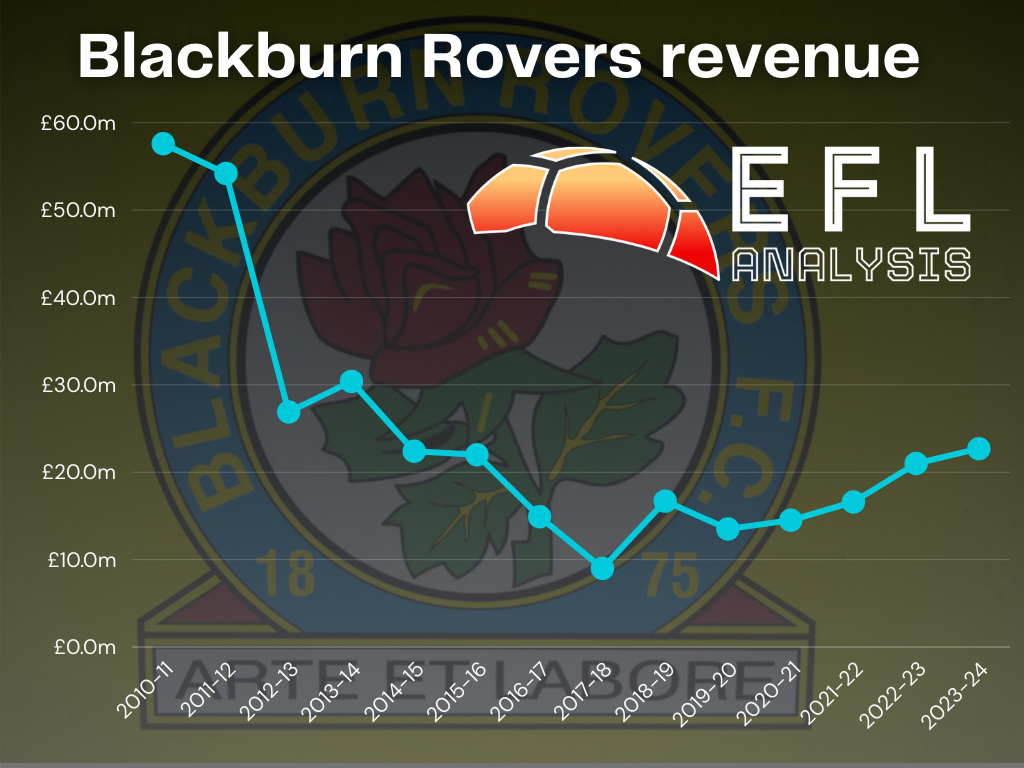
As is near-universally the case among Championship clubs not in receipt of parachute payments, Rovers lose money and spend over 100 per cent of their turnover on player wages.
Rovers have an additional millstone in terms of their recruitment and retention budget, however, because of an ongoing court case in India relating to Venky’s funding of foreign assets, including Blackburn.

The case – which in no way implicates the club itself – means every pound the owners put into the club must be matched by a personal guarantee.
In effect, for every £1m they invest, Venky’s pay a nominal £1m premium. That has made underwriting Rovers’ substantial financial losses – which are over £200m since the 2010 takeover – more of a problem.
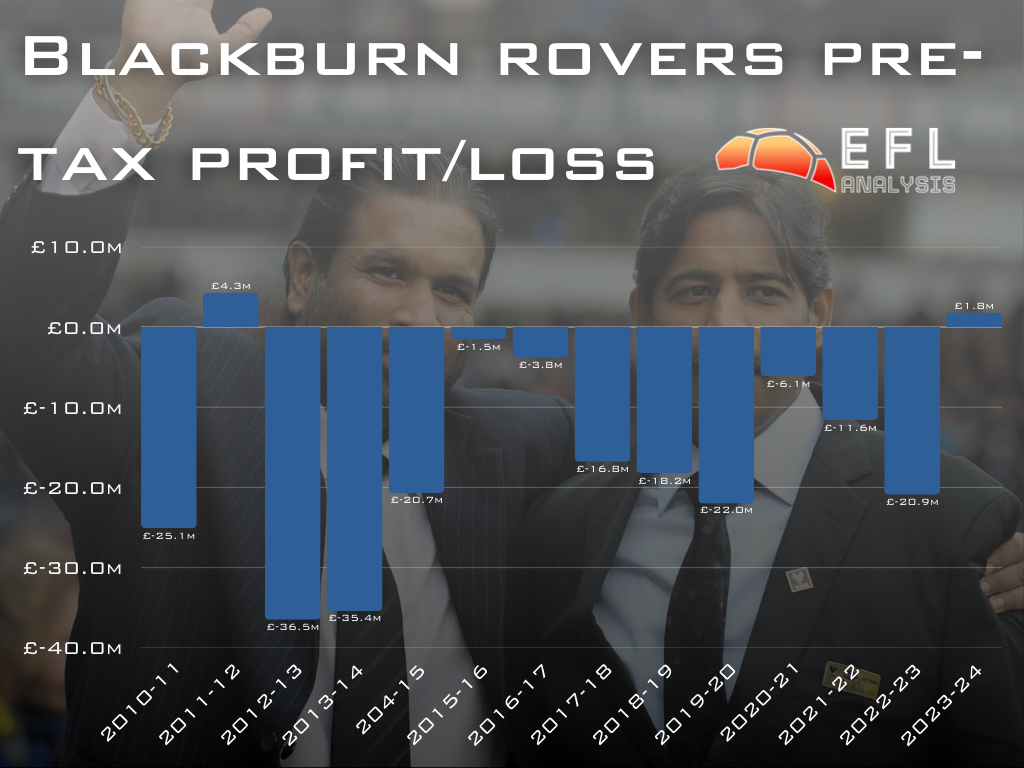
The Venky’s have performed some accounting sleights of hand – such as the intra-company sale of the Brockhall training complex – to satisfy the EFL’s PSR enforcers in previous seasons.
Meanwhile, Blackburn’s Category One academy, financed by the late, great Jack Walker, has allowed the club to generate profits from graduates like Adam Wharton and save big money on senior recruitment.
That is emblematic of the fact that the club has generally punched above its weight in recent seasons in spite and not because of the Venky’s, who appear to be in keep-the-lights on mode.
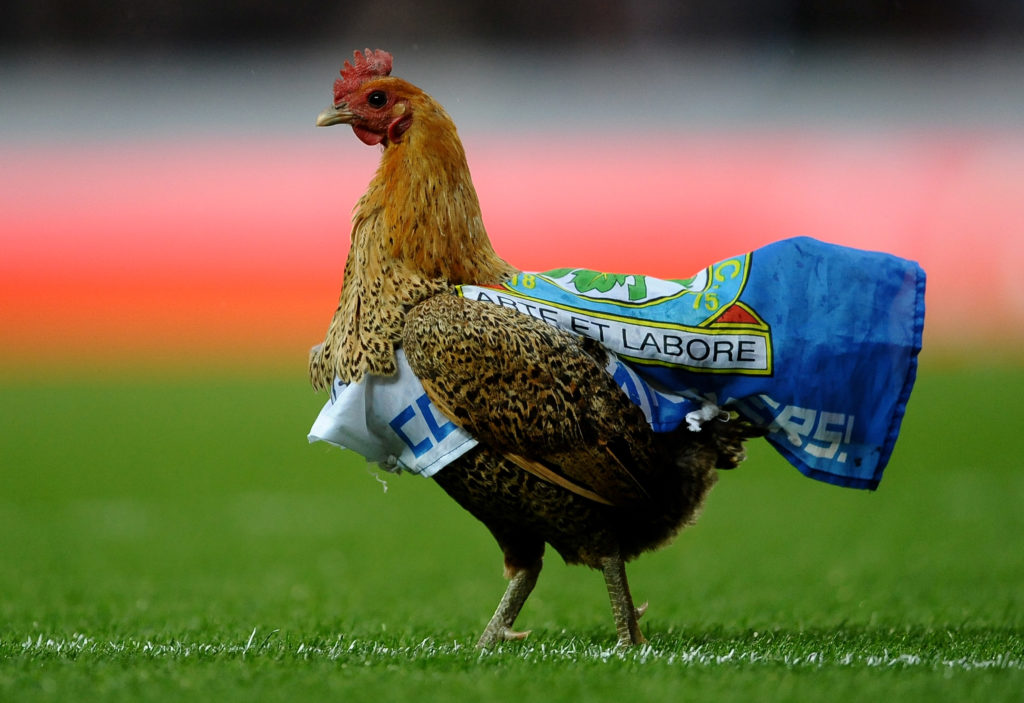
Exactly what is preventing the poultry firm, who promised blockbuster signings and free RnB concerts at Ewood Park in the early stages of their premiership, from cutting their losses isn’t clear.
Even if by some miracle they were promoted, their enterprise value would not exceed the £200m-plus that the owners in Pune have plunged into the club.
It is the radio silence from the Venky’s that has most enraged Blackburn fans, many of whom have voted with their feet in recent years and crippled attendances – and atmospheres – at Ewood Park.
EFL Analysis therefore has consulted sources about any noises they might have heard from the mergers and acquisitions sphere – be warned, Rovers fans, it doesn’t make for pleasant reading.
Have Venky’s received takeover offers for Blackburn Rovers?
Speaking exclusively to EFL Analysis, GRV Media’s Chief Football Correspondent Graeme Bailey explained that his contacts have said Venky’s are not looking to sell Blackburn.
As it stands, they are committed to funding the club but will continue to be a passive presence behind the scenes. They have not tested the waters in the market to see if there is any appetite to buy the club.
In any case, they have not experienced too much unsolicited interest of late.
That could potentially be because of the availability of Sheffield Wednesday and Reading, who despite their ownership travails, are seen as more attractive investment prospects.
More recently, Watford are also understood to have explored a possible sale. And in a saturated market, Blackburn would likely be one of the later cabs off the rank.
- READ MORE: Alan Shearer made Blackburn Rovers prediction when he joined the club and he was absolutely right
Who could and should buy Blackburn Rovers?
The pool of investors with the financial capacity and, more importantly, inclination to buy an EFL club is pretty small.
On face value, it doesn’t look like a smart investment – you bet the farm on promotion to the Premier League and even then, you need several season to stabilise before you can sell at a big markup.

Clubs aren’t profitable – far from it – and owners don’t skim profits off the top in the rare event that they materialise anyway.
The imminent independent football regulator will have backstop powers to alter the financial distribution between the Premier League and the EFL, but it won’t move the dial enough to make clubs self-sufficient.
The rush of US celebrity investment in the likes of Wrexham, Birmingham and, a few miles down the road from Blackburn, Burnley, has inspired some optimism that the market could increase again.
But ultimately, in a battle for the eyeballs in the US, there are only so many times this can work.
For Blackburn, it isn’t entirely clear who could be next.
That is if the Venky’s ever decide to part with their investment, which was meant to grease the wheels for their poultry business in the UK but has instead destroyed their credibility in the market.
Middle East sovereign wealth funds are the dream for many fans – they typically don’t want a financial return on their investment, instead using clubs to open doors and improve their image in the West.
That won’t happen at Blackburn. What is far more likely, though still a remote prospect at present, is a multi-club or even multi-sport vehicle buying them as part of a global football project.
Here, you run into legitimate concerns about the club’s unique identity, with many clubs in these networks complaining about being subsidiaries to the ‘mothership’.
The private equity market also has an increasing interest in EFL clubs. Reading, for instance, may be about to be sold to a titan of the PE industry, Robert Platek.
Alternatively, a consortium of domestic investors – hopefully with some local representation – could take the risk on a club like Blackburn.
But the brutal reality for Rovers fans is that any of these eventualities look vanishingly unlikely as it stands.