
 Burnley
 Blackburn Rovers
 Coventry City
 Derby County
 Leeds United
 Luton Town
 Middlesbrough
 Millwall
 Norwich City
 Portsmouth
 Sheffield Wednesday
 Sheffield United
 QPR
QPR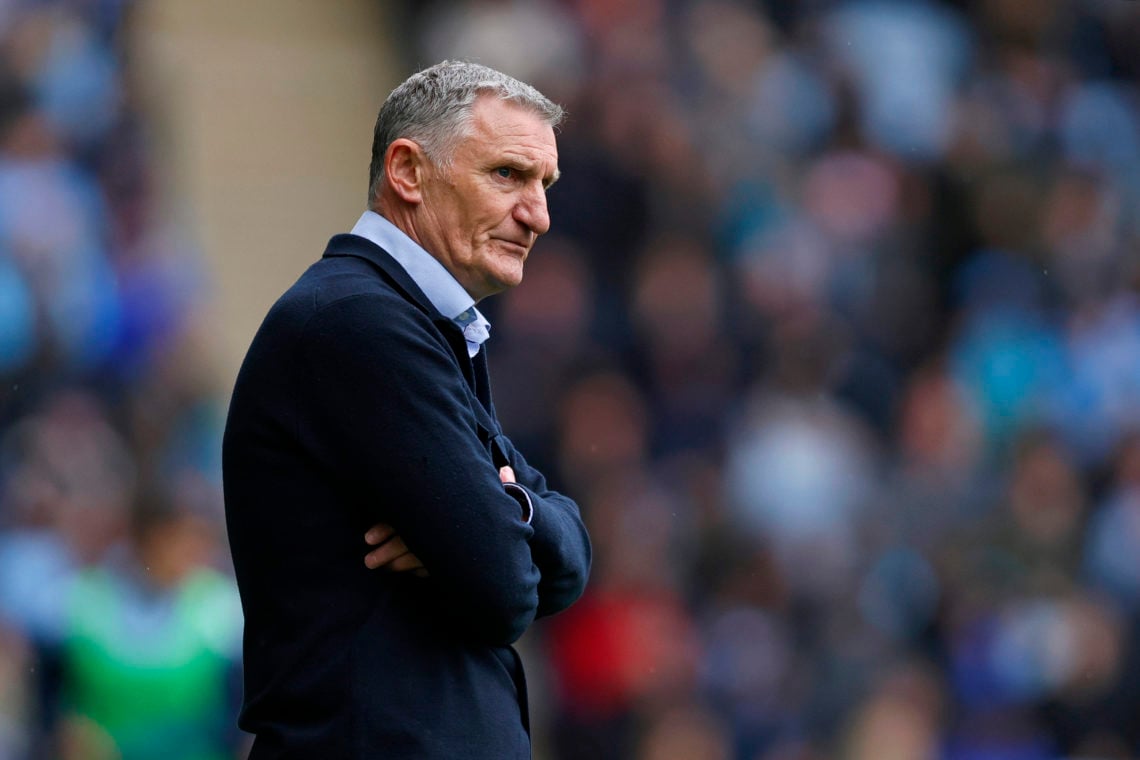


Middlesbrough’s managerial search has once again placed reputation against reliability. While Steven Gerrard’s name draws attention, Tony Mowbray offers the steadiness, experience and cultural fit that the club urgently needs to stay on course for promotion.
Tony Mowbray knows Middlesbrough better than most coaches linked to the vacancy. He guided the club between 2010 and 2013, managing 153 games and earning 1.44 points per match. His previous spell was not glamorous, but it was grounded in structure and trust, two things Boro need immediately.
The Championship rewards consistency over flair. After Rob Edwards’ departure for Wolves, the club’s next move must prioritise stability. Mowbray’s track record across multiple clubs proves he can deliver that under pressure.

Mowbray’s system suits current Boro squad
Under Edwards, Middlesbrough became more defensively secure but lost attacking rhythm. Some fans were concerned the team lacked pace and creativity, relying heavily on narrow build-up play. The squad, built for compact football, now needs a coach who understands balance and transition play.
Mowbray’s approach fits that requirement. His recent work at Sunderland and his 06-09 spell at West Brom showed his ability to adapt systems to player strengths, whether in possession or pressing phases. He has demonstrated tactical flexibility without overcomplicating structure, an essential quality for a team that has already been reshaped once this season.
Mowbray’s balanced approach could reintroduce attacking threat without losing control.
Stability will be key to Premier League promotion push
Chairman Steve Gibson has often opted for big-name appointments. From Garry Monk to Michael Carrick, and now with Steven Gerrard on the shortlist, ambition has rarely been the problem. But the club’s recent instability has been driven by frequent resets rather than poor talent.
A return for Mowbray would mark a break from that cycle. He is not a headline hire, but he represents credibility and calm. Gibson has a history of appointing high-profile names, yet those moves have not consistently delivered promotion. This time, a pragmatic path may serve the club better than another grand project.
Mowbray’s quiet authority and deep understanding of the division make him the logical counterpoint to Gerrard’s appeal. His leadership is defined not by image but by method.
A proven record of building cohesion
Wherever he has managed, Mowbray has built collective clarity. At West Brom, he implemented an aggressive passing style that earned promotion. At Sunderland, he restored confidence to a young side and guided them into play-off contention within months.
This pattern of renewal shows he can bring identity to disjointed squads. The same need now exists at Middlesbrough, where tactical cohesion disappeared as Edwards adjusted his system midseason. Mowbray’s ability to rebuild relationships within a dressing room aligns perfectly with the club’s immediate goal, which is to stabilise and compete.
His experience shows that he restored team identity and structure within months at previous clubs. That’s exactly what Middlesbrough need: a manager who brings clarity without upheaval.
Middlesbrough do not need another experiment. They need a manager who knows the league, understands the club’s identity, and can deliver steady progress rather than a short-term surge. Tony Mowbray meets every one of those criteria.
His return would not be a nostalgic gesture; it would be a strategic correction. In a league defined by volatility, Middlesbrough need a manager who values direction over drama. Mowbray’s experience and composure make him the pragmatic choice to restore balance and belief at the Riverside.