
 Burnley
 Blackburn Rovers
 Coventry City
 Derby County
 Leeds United
 Luton Town
 Middlesbrough
 Millwall
 Norwich City
 Portsmouth
 Sheffield Wednesday
 Sheffield United
 QPR
QPR


West Brom and Reading have been through it financially in recent years. The Baggies have turned a corner under new ownership, and the same will hopefully soon be true of their peers in League One.
The gulf between the Premier League and Championship as well the cliff edge between the second tier and the rest of the pyramid mean English Football League’s finances have long been a basket case.
After promotion to the top flight for the first time in their history in 2006-07, Reading – who finished 8th that season – spent two years in the Premier League before falling back into the Championship.

Promoted again as champions in 2011-12, they spent one more campaign in the top tier before being relegated again. Since their last year of parachute payments in 2016-17, things have gone downhill.
The Royals are currently 8th in League One, having finished 17th the third tier the previous season.
The malaise started under the ownership of Dai Yongge, the Chinese businessman who took over from the previous Thai regime after a lengthy review process at EFL HQ.
The EFL were said to be cautious about Yongge’s suitability at the time. Some have suggested that recent revisions to the rulebook would have barred the takeover had it taken place today.
Reading have lost almost £160m since then and, with clubs across the country currently releasing their accounts for 2023-24, are now the only club in the country to have not even filed their 2022-23 figures.
That has landed them in hot water with the EFL’s financial fair play enforcers, who hit them with points deductions in both 2022-23 and 2023-24.
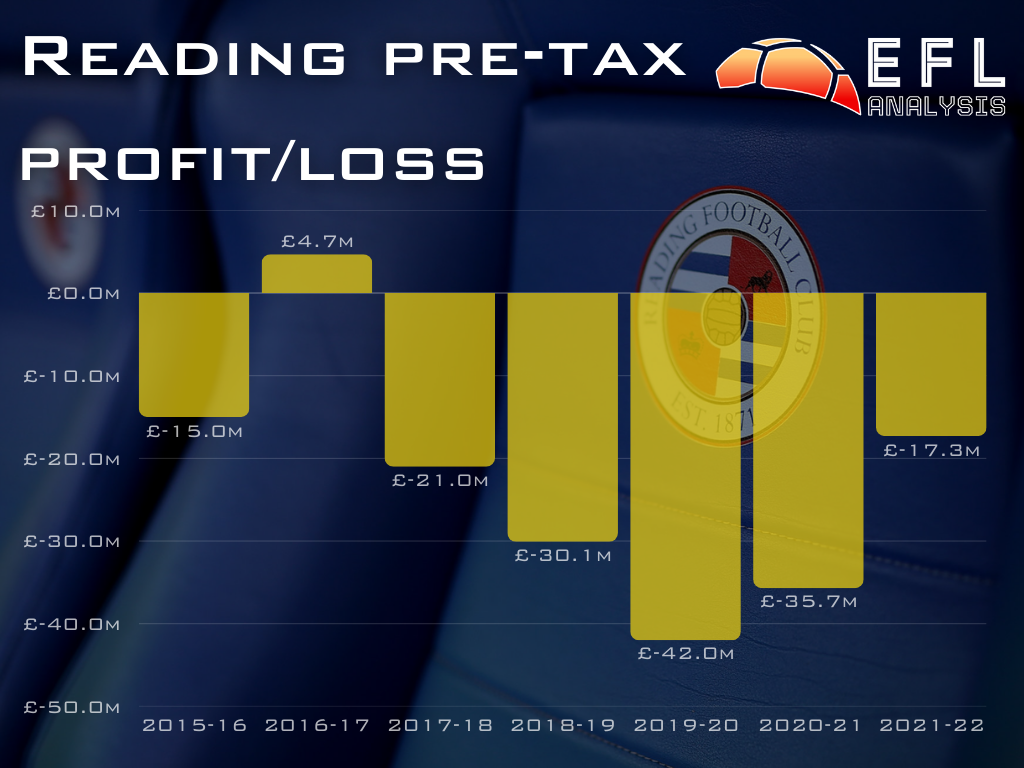
Now, Reading are in the middle of the drawn out takeover processes to end all drawn out takeover processes. Yongge has entered exclusive talks with no fewer than seven would-be buyers since
It’s a situation that West Brom, whose travails under Lai Guochuan are well documented, are all to familiar with. Finally, they got their own takeover by Shilen Patel over the line in February last year.
Like Reading, West Brom have also suffered years of financial losses.
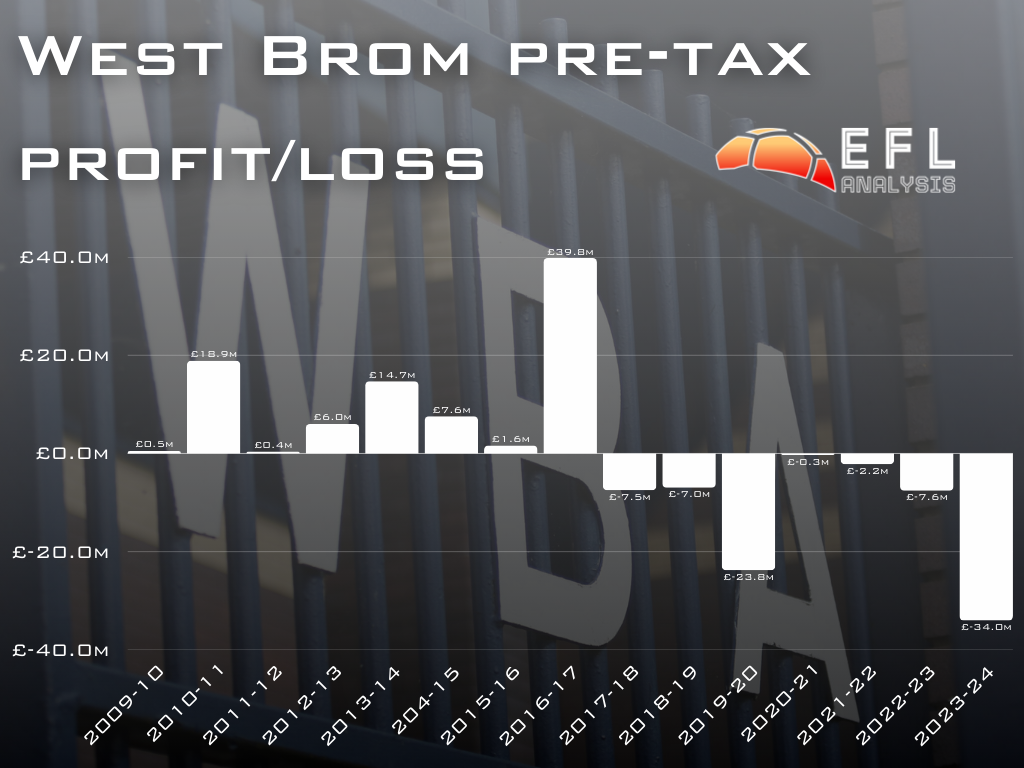
This season is their first without parachute payments for over 20 years, though under Tony Mowbray they have a good shot at promotion this term.
| Position | Team | Played MP | Won W | Drawn D | Lost L | For GF | Against GA | Diff GD | Points Pts |
| 3 |  BurnleyBurnley BurnleyBurnley | 35 | 19 | 14 | 2 | 45 | 10 | 35 | 71 |
| 4 |  SunderlandSunderland SunderlandSunderland | 35 | 18 | 11 | 6 | 52 | 32 | 20 | 65 |
| 5 |  CoventryCoventry CoventryCoventry | 35 | 15 | 8 | 12 | 49 | 44 | 5 | 53 |
| 6 |  West BromWest Brom West BromWest Brom | 35 | 12 | 16 | 7 | 45 | 32 | 13 | 52 |
| 7 |  Bristol CityBristol City Bristol CityBristol City | 35 | 13 | 13 | 9 | 45 | 38 | 7 | 52 |
| 8 |  BlackburnBlackburn BlackburnBlackburn | 35 | 15 | 7 | 13 | 40 | 35 | 5 | 52 |
Now, a legacy of the Lai era could potentially jeopardise Reading’s takeover talks with Robert Platek.
MSD loans to West Brom, Sunderland and more could scupper Reading takeover
West Brom are probably sick to the back teeth of hearing about financial loans.
And with Patel at the wheel in the boardroom, those days will hopefully be behind them once the American entrepreneur has got to grips with the debt he inherited from Lai.

At their lowest financial ebb, the Baggies took out a high-interest loan from MSD Holdings to cover operating costs. That agreement, struck in 2023, was worth around £30m.
MSD have lent to several EFL clubs, including Deby County, Sunderland and Burnley, as well as Southampton. The average interest rate has been around 15 per cent, well above most commercial loans.
As it happens, Platek – the US private equity investor who is in exclusive talks to take over Reading – is the co-head of the company, which is owned by Michael Dell, the world’s 15th richest person.
MSD owner’s place in richest football club owners
| Name | Rank in top 500 | Net worth | Club(s) |
| Bernard Arnault | 4 | $189B | Red Star FC (France) |
| Michael Dell | 15 | $106B | Lender to EFL clubs via MSD |
| Mark Mateschitz | 80 | $23.4B | Red Bull clubs |
| Stan Kroenke | 85 | $22.8B | Arsenal, Colorado Rapids |
| Philip Anschutz | 86 | $22.8B | Los Angeles Galaxy |
| David Tepper | 87 | $22.4B | Charlotte FC |
| Francois Pinault | 90 | $22.1B | Stade Rennais |
| Dietmar Hopp | 112 | $18.4B | 1899 Hoffenheim |
| Jim Ratcliffe | 200 | $12.4B | Man United, Nice, Lausanne |
| Hansjoerg Wyss | 218 | $11.9B | Chelsea, Strasbourg |
| Josh Harris | 224 | $11.7B | Crystal Palace |
| Simon Reuben | 227 | $11.5B | Newcastle United |
| David Reuben | 228 | $11.5B | Newcastle United |
| Dmitry Rybolovlev | 246 | $11.1B | AS Monaco |
| Mark Walter | 252 | $10.9B | Chelsea, Strasbourg |
| Dan Friedkin | 253 | $10.9B | AS Roma, AS Cannes, Everton |
| Shahid Khan | 307 | $9.33B | Fulham |
| Nassef Sawiris | 324 | $8.95B | Aston Villa, Vitoria |
| Daniel Kretinsky | 402 | $7.69B | West Ham, Sparta Prague |
| Joe Lewis | 405 | $7.66B | Tottenham |
| Todd Boehly | 426 | $7.28B | Chelsea FC, Strasbourg |
Platek’s financial link to West Brom via MSD could, according to The Guardian, potentially represent a conflict of interest per the EFL’s rules.
“MSD became major lenders during the pandemic and have effective control of several club’s cashflows,” an anonymous source told The Guardian.
“Platek has been at the company for over 20 years, runs their credit operation and will become chairman at the end of the year. At best it doesn’t look good, at worst it’s a huge conflict of interest.”
There will be a cruel irony if Lai’s mismanagement of West Brom, which has now come to an end at the Hawthorns, impacts another EFL club’s takeover hopes.
Reading’s appeal to Richard Platek
Private equity is increasingly interested in football and think there are bargains to be had in the EFL.
Private equity’s modus operandi is typically to optimise costs, boost revenues, and increase enterprise value with a view to one day selling the club at a healthy markup.

EFL Analysis has been told that, despite the difficulties in negotiating with Yongge, Reading are an attractive enterprise prospect.
Their relative proximity to London is a selling point, with businesspeople in the capital always keen to entertain potential clients with football as a backdrop.
Meanwhile, the club’s debts would be factored into the price Platek pays if he can twist the arm of the EFL’s regulators, as will the obvious need to upgrade Reading’s infrastructure.
Yongge, however, wants to cut his losses as best he can and his intransigence over the price and structure of a would-be deal has proved a sticking point in previous negotiations.
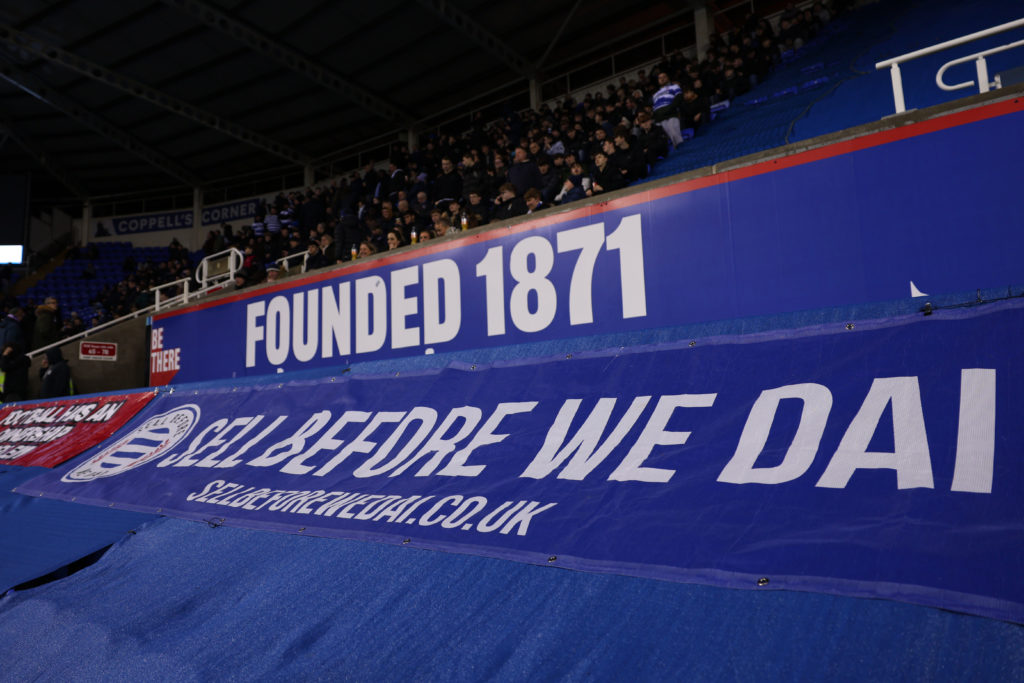
Central to Platek’s masterplan is his desire to bring Reading’s bricks-and-mortar assets – the Select Car Leasing Stadium and the training ground – back into the ownership of the club.