
 Burnley
 Blackburn Rovers
 Coventry City
 Derby County
 Leeds United
 Luton Town
 Middlesbrough
 Millwall
 Norwich City
 Portsmouth
 Sheffield Wednesday
 Sheffield United
 QPR
QPR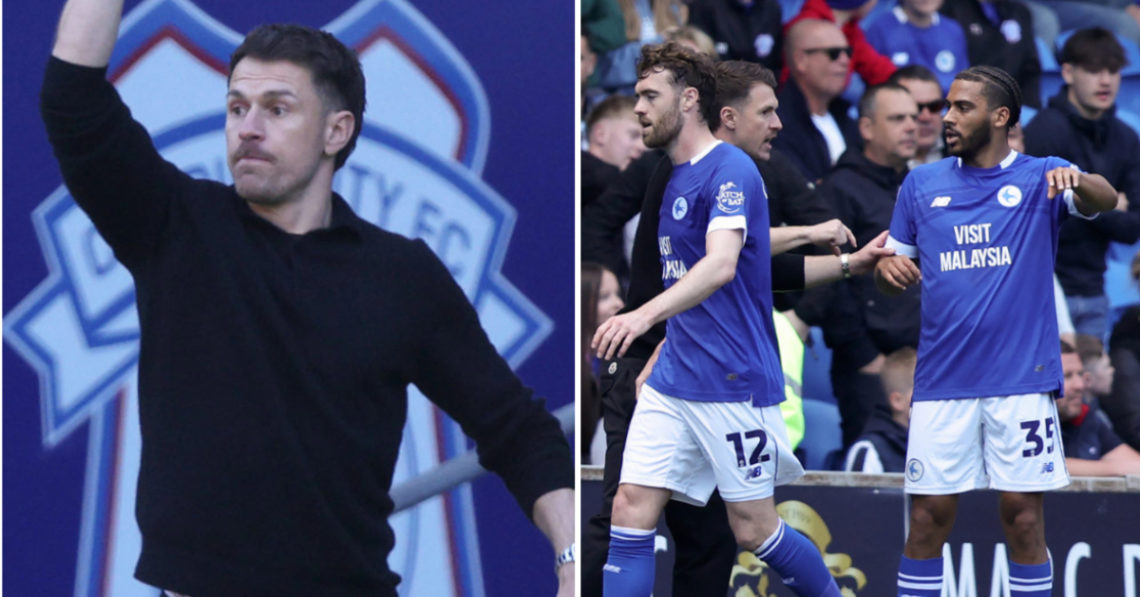


A season of squandered chances has Cardiff City staring into the League One abyss.
This stark reality looms for Cardiff City, a club whose Championship season has been defined by inconsistency and missed opportunities, leaving them teetering on the brink of relegation.
Their league-worst tally of wins is compounded by a frustrating and costly tendency to surrender leads, dropping a staggering 24 points in the process.
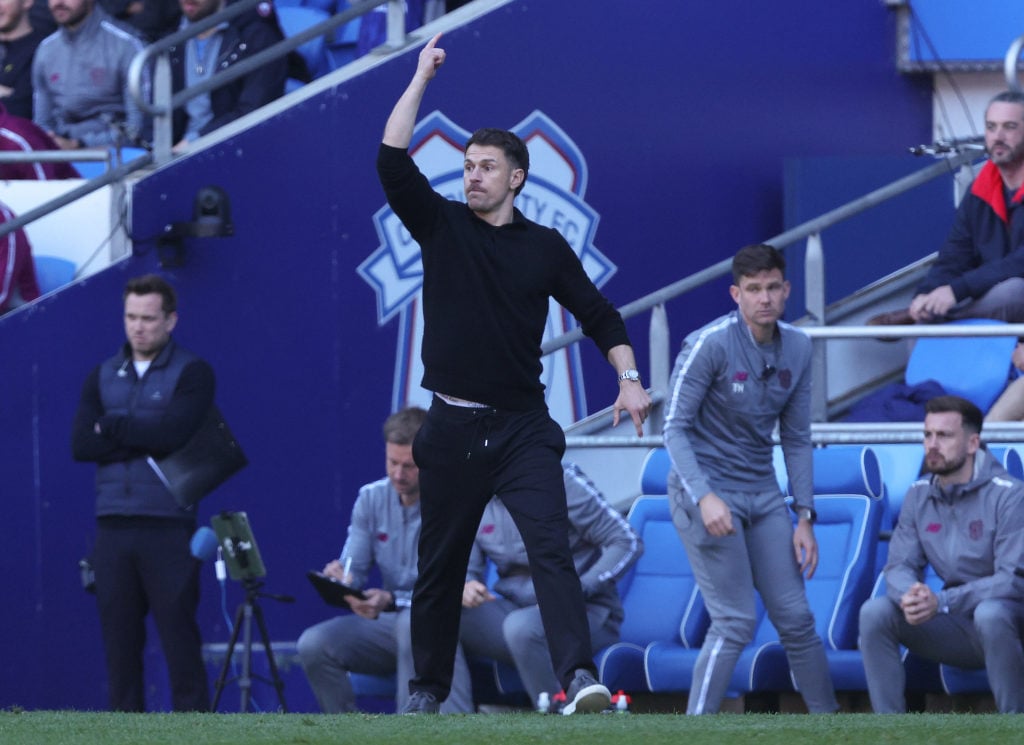
Monday’s results amplify their precarious position, leaving them entrenched in the relegation zone with just two crucial matches remaining.
The agonising 1-1 draw against Oxford United, a match they arguably should have won, epitomised their entire campaign – flashes of promise ultimately overshadowed by a failure to deliver the decisive blow.
Now, facing the daunting prospect of third-tier football for the first time in 22 years, the Bluebirds confront not only a significant points deficit but also a severely damaging goal difference that acts as an additional, almost insurmountable, hurdle to their survival.
As the final two games against West Brom and Norwich loom, the focus inevitably shifts to the profound financial upheaval that relegation to League One would trigger for the Welsh club.
Cardiff City’s Multi-Million Pound Plunge
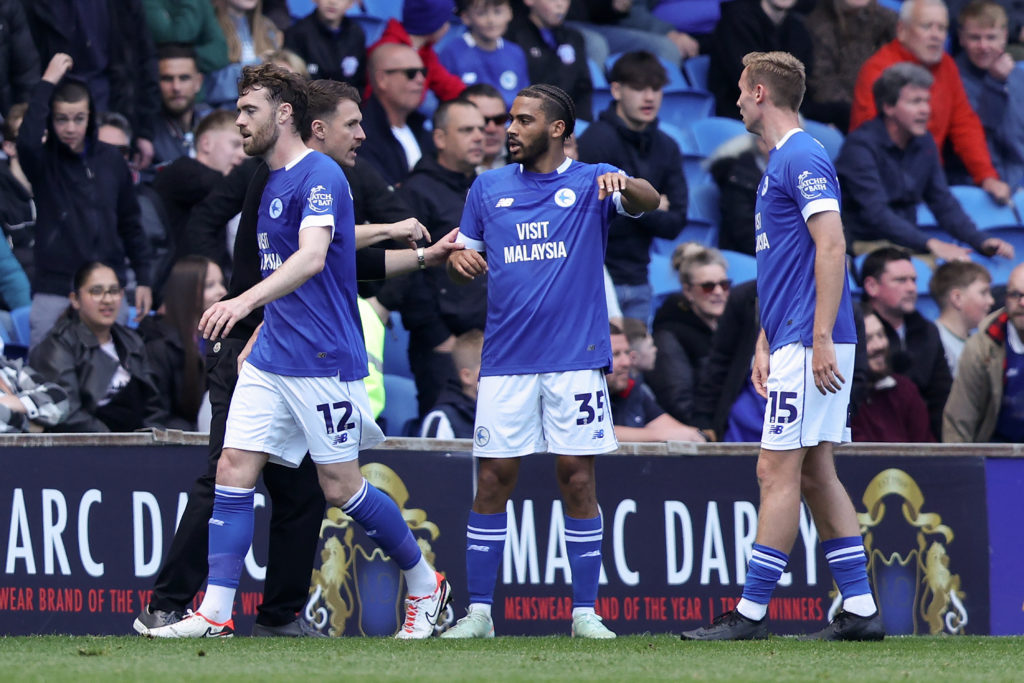
For Cardiff City, relegation to League One would trigger a significant financial downturn, primarily due to the drastic reduction in broadcast revenue and the loss of Premier League solidarity payments.
As a Championship club, Cardiff City likely benefits from the EFL’s Sky Sports deal, potentially earning a significant £3-4 million annually.
In addition, per-match fees could bring in between £500,000 and £1.5 million, and international TV rights an estimated £1-2 million.
Crucially, they also receive approximately £5 million in solidarity payments from the Premier League, designed to support Championship clubs.
This collective income from these key sources could be between £9.5 million and £12.5 million per season.
Dropping to League One, however, would see these figures plummet dramatically.
| Revenue Stream | Championship (Estimated Annual) | League One (Estimated Annual) |
| Sky Sports Deal | £3 – £4 million | £800,000 – £900,000 |
| Per-Match Fees | £500,000 – £1.5 million | ~£200,000 |
| International TV Rights | £1 – £2 million | £300,000 – £500,000 |
| Premier League Solidarity Payments | ~£5 million | ~£780,000 (for 2024/25) |
| Total Estimated Income | £9.5 – £12.5 million | £2 – £2.4 million |
| Potential Income Loss | £7.1 – £10.5 million |
League One clubs are projected to earn a mere £800,000 to £900,000 from the Sky Sports deal, with international rights revenue falling to around £300,000 to £500,000, and per-match fees offering a much smaller potential of roughly £200,000.
While League One clubs receive solidarity payments, the estimated £780,000 for the 2024/25 season is a fraction of what Championship clubs receive.
Consequently, Cardiff City could see their income from these streams shrink dramatically to an estimated £2 million to £2.4 million annually.
This potential loss of £7.1 million to £10.5 million in broadcast and solidarity payments alone would severely constrain their financial capabilities, impacting player recruitment, wages, and overall club operations, making an immediate return to the Championship a significant challenge.
The Roots of Cardiff City’s Struggles
Cardiff City’s slide towards potential relegation this season can be attributed to a confluence of factors.
A dismal start saw them mired at the bottom, leading to the early departure of manager Erol Bulut in September after just one win in six games.
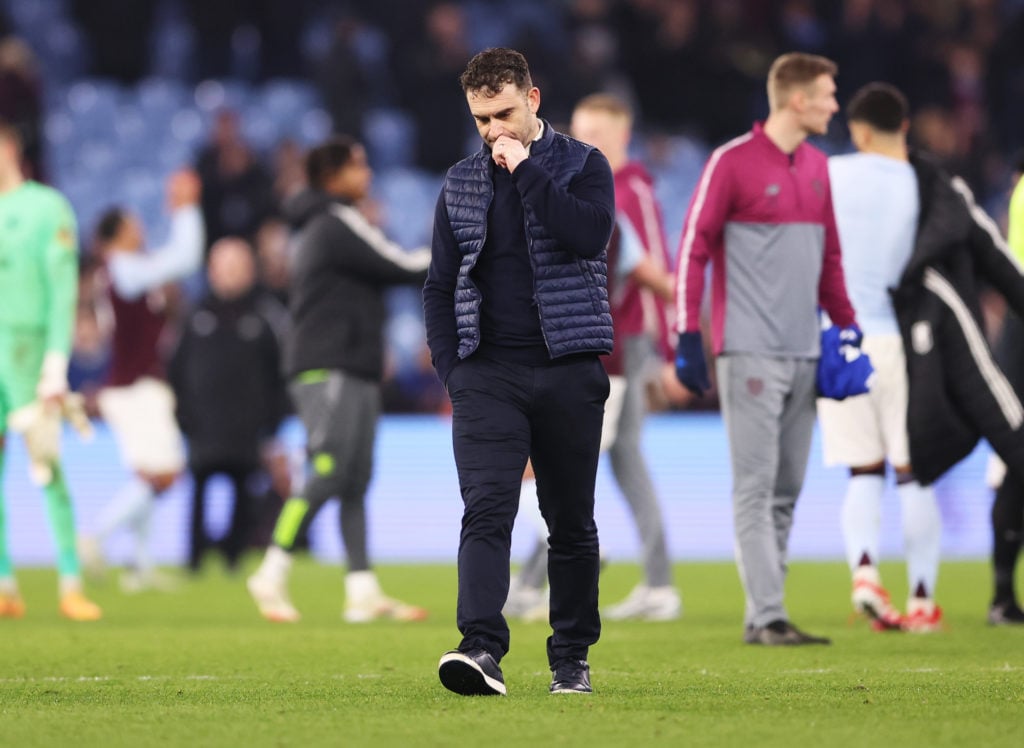
The team struggled to score and conceded far too easily, setting a negative tone for the entire campaign.
Interim manager Omer Riza initially provided a slight upturn, but inconsistency continued to plague the side.
Riza was let go last weekend by the Bluebirds, after admitting Cardiff City ‘won’t improve’ in one press conference.
Now, injured captain Aaron Ramsey has taken charge for the remainder of the season, with Oxford City being his first game.
A lack of a consistent attacking threat beyond Callum Robinson, alongside defensive vulnerabilities and a tendency to drop points from winning positions (losing a staggering 24 points in such scenarios), proved incredibly costly.
Injuries to key players have further disrupted any attempts to build momentum and establish a settled team.
| Position | Team | Played MP | Won W | Drawn D | Lost L | For GF | Against GA | Diff GD | Points Pts |
| 20 |  Hull CityHull City Hull CityHull City | 44 | 12 | 12 | 20 | 43 | 52 | -9 | 48 |
| 21 |  DerbyDerby DerbyDerby | 44 | 12 | 10 | 22 | 47 | 56 | -9 | 46 |
| 22 |  LutonLuton LutonLuton | 44 | 12 | 10 | 22 | 41 | 64 | -23 | 46 |
| 23 |  CardiffCardiff CardiffCardiff | 44 | 9 | 16 | 19 | 46 | 69 | -23 | 43 |
| 24 |  PlymouthPlymouth PlymouthPlymouth | 44 | 10 | 13 | 21 | 48 | 85 | -37 | 43 |
Ultimately, a failure to find a consistent winning formula, particularly against their direct relegation rivals, has left the Bluebirds facing a mountainous task to avoid the drop, with only two games remaining.
Their shocking goal difference of -23 effectively acts as an extra point against them, highlighting the scale of their struggles throughout the season.