
 Burnley
 Blackburn Rovers
 Coventry City
 Derby County
 Leeds United
 Luton Town
 Middlesbrough
 Millwall
 Norwich City
 Portsmouth
 Sheffield Wednesday
 Sheffield United
 QPR
QPR


Reading FC and Donald Trump aren’t often mentioned in the same breath – but the Dai Yongge regime at the Select Car Leasing Stadium seem to have been borrowing from the president’s playbook of late.
‘Flood the zone’ is the order given when the White House administration want to bury an unwelcome news story. The aim? Overwhelm the media with so much info they don’t know which line to pursue.
That’s how it feels at Reading at the moment. Supporters and the local press are grappling with a dizzying churn of stories, each one groaning with technical financial details and hard-to-digest legalise.
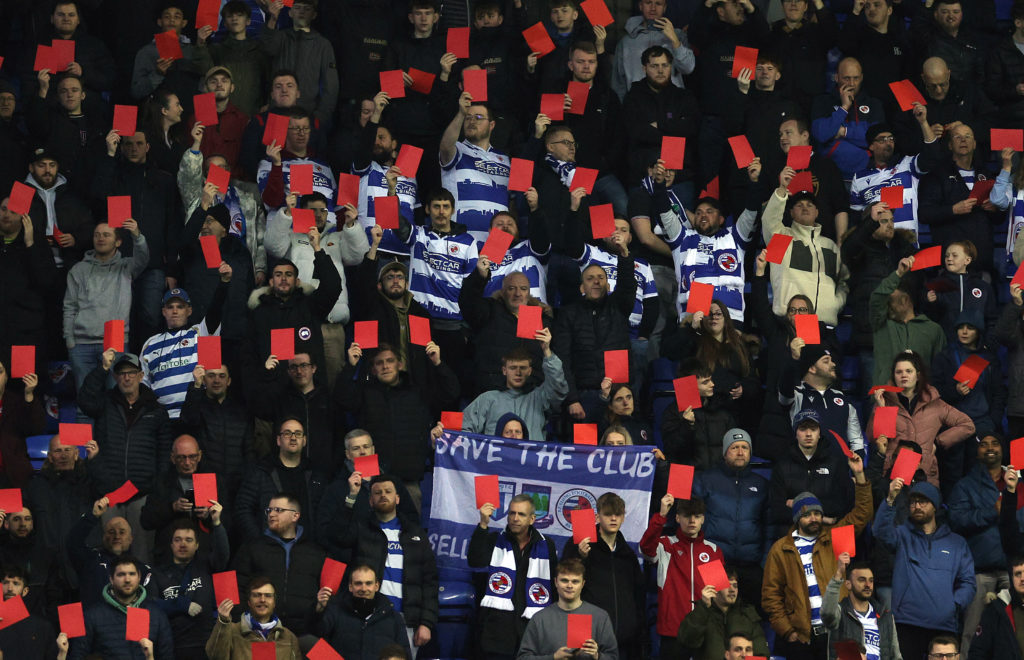
The League One club have been for sale for a year-and-a-half now. They have been going through the ringer for far longer, with Dai Yongge’s unsuitability as an owner of a proud EFL club clear from day one.
What Yongge – a Chinese businessman who made his rapidly diminishing fortune in the shopping mall racket – wanted to achieve in football is equally as obvious.
His eyes bulging with imagined Premier League riches, he bought the club for £24.5m in 2017 on the eve of the Championship play-off final.
It was a high-tariff play for the extraordinary wealth English football’s top flight yields. It didn’t pay off.
Reading lost to Huddersfield Town on penalties at Wembley. This sort of gamble is an all too familiar tale in the Championship, though it has rarely been as nakedly boom-or-bust as the reckless Yongge deal.
Eight years later, Reading are facing expulsion from the EFL if Yongge – who last week was disqualified from owning any club in the 72 – cannot sell the club before Saturday 5th April.
Shortly after the news broke, the information blitz started.
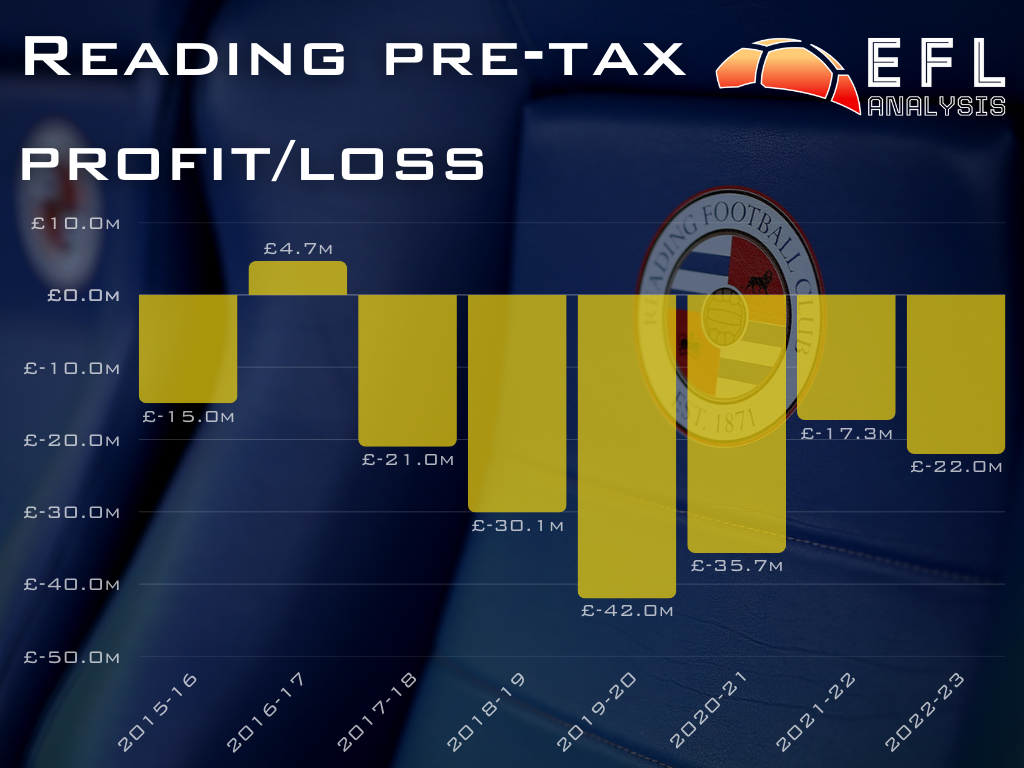
A few days ago, Reading finally published their accounts for 2022-23, well over a year after every other EFL club. They didn’t make for pleasant reading.
Reading lost almost £22m despite wages falling slightly and revenue rising by 11 per cent to £19m.
Most worryingly of all, the auditor’s statement confirmed that, without yet-to-be-sourced additional funds, the club will likely be unable to continue operating over the next 12 months.
There have been umpteen updates since then regarding Reading’s takeover situation, with private equity big brain Robert Platek seemingly still the most plausible buyer before next Saturday’s deadline.
Before any deal can get over the line, there are a number of complexities to navigate. More on that later.
Dai Yongge could owe up to £850m
Yongge’s personal financial issues have been a matter of public record for some time now, but the extent may well have been drastically underestimated.
According to information relayed by Mike Gow, a lecturer in business and management at Edge Hill University, legal documentation in China shows that the 56-year-old investor may owe as much as £850m.
The total amount, which includes standard interest rates and overdue interest, is owed to Shengjing Bank and is now the subect of multiple court orders.
Dai also appears to have been placed on China’s list of dishonest defaulters.
That makes it all but impossible for him to conduct business in his home country, where nearly all of his investments – which are now, Gow explains, worthless in any case – are based.
- READ MORE: Stoke City’s £1.9B owner told why relegation from the Championship ‘might actually be a good thing’
Robert Platek and Rob Couhig navigate Reading takeover complexity
If Reading’s nightmare ends in a takeover, it looks probable that either Robert Platek or former bidder Rob Couhig will take the reigns thereafter.
Yongge remains in a period of exclusive negotiations with Platek, who owns Portuguese side Casa Pia and recently sold Serie B outfit La Spezia.
However, his would-be takeover is said to be the subject of complaints from some EFL clubs because of his involvement with BDT & MSD Partners,
MSD is a commercial lender and the credit arm of technology billionaire Michael Dell’s empire. They provided eight-figure loans to several clubs throughout the pandemic, including West Brom and Sunderland.
MSD remain involved involved in the debt structures of some of those clubs, which the dissenting EFL sides believe represents a conflict of interest.
Another layer of complexity centres around Couhig, who effectively owns Reading’s Select Car Leasing Stadium, which he acquired the mortgage rights to as part of his £25m bid to buy the club last summer.
The Guardian report that both are still potential buyers but that negotiations are likely to go to the eleventh hour.
Winding up petition issued against Reading FC by player agency
Anxiety is already off the charts at Reading, but news that a player agency has issued a winding up petition against the club has further exacerbated tensions.
Why exactly Skelland Brown have filed the petition isn’t confirmed, though these actions typically materialise when a creditor – the player agency, in this case – believe a company is unable to pay its debts.
Skelland Brown represents current and former Reading players, including Noel Hunt’s current top scorer Harvey Knibbs.