
 Burnley
 Blackburn Rovers
 Coventry City
 Derby County
 Leeds United
 Luton Town
 Middlesbrough
 Millwall
 Norwich City
 Portsmouth
 Sheffield Wednesday
 Sheffield United
 QPR
QPR


When Kyril Louis-Dreyfus bought Sunderland in 2021, the takeover valued the club at around £40m. If they win the Championship play-off final next Saturday, you can add a zero to that.
If Sunderland are promoted, their annual revenue will soar by £120m-plus, while they will also be entitled to at least that amount again in two years’ worth of parachute payments if it goes kaput next season.
So, £240m in guaranteed revenue – and that’s a worst-case scenario. If Regis Les Bris’ side survived for three seasons in the ultra-lucrative Premier League, they will earn a third year of parachute payments, albeit at a reduced rate of around £24m.
If they aren’t back in the Championship by that stage, they will have earned around £360m in media revenue alone. That’s a conservative estimate based on the data available, but with a new £6.7bn domestic TV deal kicking in next season, the final amount could be significantly higher.
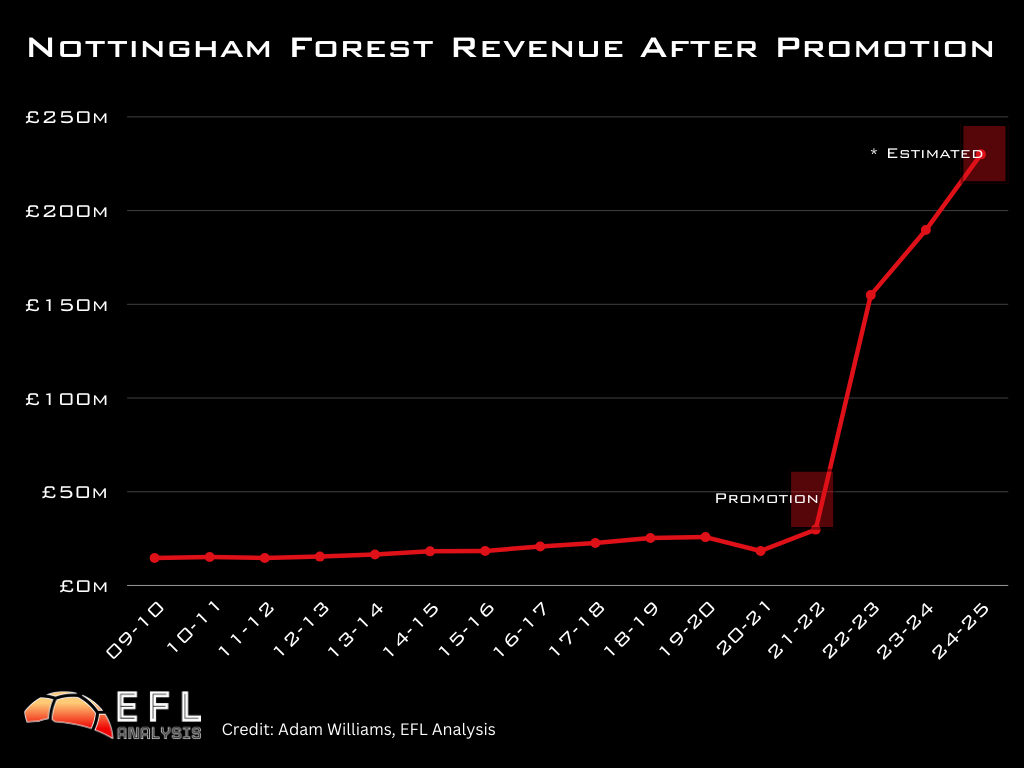
Every place in the Premier League is worth around £2m extra in prize money, so mid-to-lower-table seasons in a row would see that £360m figure climb towards the £400m mark.
- READ MORE: Sunderland fans will love Amad Diallo’s eight-word message after Championship play-off win
Sunderland’s commercial and matchday income would boom in Premier League
On top of that, the Black Cats’ commercial income would boom too. In the last financial year, the club earned £16m through sponsorship, retail and events. Back in 2015-16 – the campaign before Sunderland finished 20th in the Premier League, were relegated, and began a nosedive through the EFL – that figure was £26m. If they go up this season, expect to see them blow that figure out of the water in 2025-26.
Wolves, Bournemouth, Crystal Palace and Brentford were all close to £30m in commercial income. Kyril Louis-Dreyfus and his team on the ground in the North East will feel that Sunderland – as a one-club city with one of the country’s largest fanbases – can surpass that by perhaps £10m.
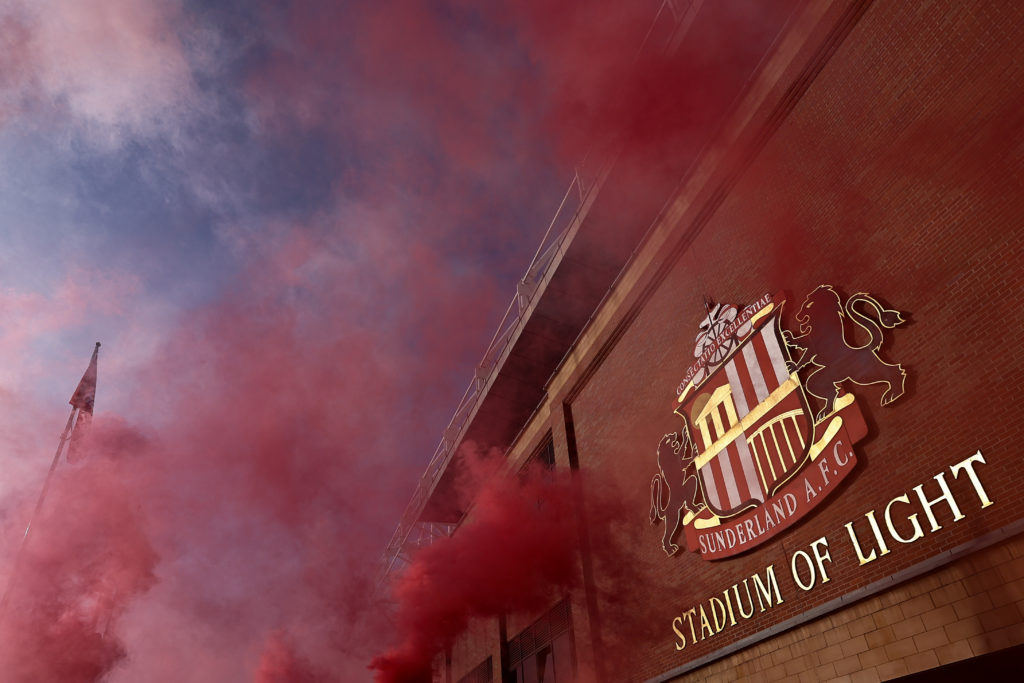
Matchday income too will soar. The Stadium of Light can accommodate nearly 50,000 fans, which would be bested by only seven Premier League clubs. There would be sell-outs in the top-flight, while the club would also be able to squeeze the hospitality and premium seating market.
Sunderland have already increased general admission prices by 10 per cent for 2025-26. Based on last season’s figures, that would see matchday income rise from £11.5m to £12.75m. However, the other factors mentioned would see them, again, obliterate that figure. £20m is a realistic target.

Add all this together and you quickly begin to see why Louis-Dreyfus wanted in on English football.
If Sunderland can stay in the Premier League for, say, five or six years, you could be talking over £1bn in turnover. That’s how much Dan Ballard’s 122nd-minute header against Coventry City in the play-off semi-final could, if Le Bris’ side get past Sheffield United in the final, ultimately prove worth.
Revenue and profit weren’t created equal, of course, and no Premier League club is consistently profitable. Even in the top-flight, Sunderland would be unlikely to post a first profit in over two decades in the short term.
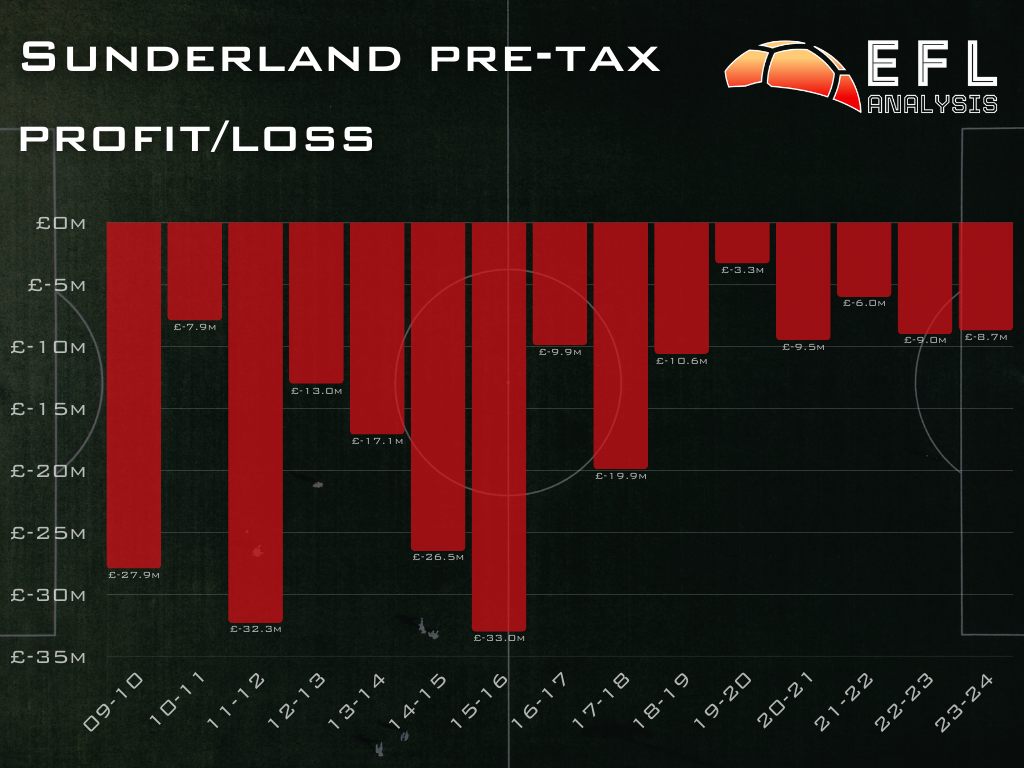
But if it’s a capital appreciation model (i.e., buy low, sell high) that Louis-Dreyfus has in mind, then the Premier League is mecca. Even without profits, soaring revenues have been enough to keep club valuations trending up and to the right on the graph.
Is it a false market? Who knows, but as long as Louis-Dreyfus gets out before the bubble bursts, that’s immaterial.
But by the looks of things, the 28-year-old and his business partner Juan Sartori are only just getting started in sports investment.
Sunderland’s multi-club ambitions suffer setback?
Last month, EFL Analysis reported that Louis-Dreyfus and Sartori had launched Bia Sports Group, a company who count Sunderland in their portfolio of investments.
Bia Sports Group has been on a hiring spree of late. Several executives with impressive CVs in sports mergers and acquisitions were appointed in April, and the firm says it wants to buy more sports properties.
That has led some to question whether Bia Sports Group could become a holding company for a multi-club network with Sunderland at the centre, especially given that Louis-Dreyfus has reportedly shown interest in taking over Brazilian side Vasco da Gama.

While the likes of City Football Group and the Red Bull network are the most visible multi-clubs, there are countless rivals who use the same model. Over half of the clubs in the Premier League are currently part of some form of multi-club network.
Bia Sports said it was closing in on a new takeover of an unspecified property earlier this year but, according to the CEO, that deal appears to have collapsed.
“You win some, you lose some,” wrote Bia Sports’ Group CEO’ Tom Burwell on LinkedIn.
“This week, we lost a deal our M&A team had been working on since the start of the year, an acquisition that could’ve significantly accelerated Bia Sports Group profile as a global owner/operator of sports IP.
“We had a second shot at it, but ultimately, I wasn’t comfortable with what was being asked.
“We’ve built our investment thesis with clear principles, and while we pushed those boundaries, we didn’t break them, for the right reasons.
“Of course, there’s frustration. A lot of hard work went into this from all sides. But I’m incredibly proud of the discipline our team showed and excited about the other acquisitions and league development that we are driving forward.
“Never too high, never too low. On to the next…… because the next deal is always the best one.”
Sunderland already have existing multi-club connections
The Louis-Dreyfus family has long-standing ties to football.
Kyril Louis-Dreyfus’ late father, Robert Louis-Dreyfus, was the former CEO of Adidas and once owned Marseille during a successful era for the club.
Kyril himself is reportedly still in possession of a five per cent stake in the French side.
What’s more, Sartori is a board member at AS Monaco.
Sartori’s father-in-law is Monaco owner Dmitry Rybolovlev, who also owns Belgian side Cercle Bruges.
And while these aren’t formalised equity links to other clubs – with the exception of Louis-Dreyfus’ stake in Marseille – just how small the football investment world is.