
 Burnley
 Blackburn Rovers
 Coventry City
 Derby County
 Leeds United
 Luton Town
 Middlesbrough
 Millwall
 Norwich City
 Portsmouth
 Sheffield Wednesday
 Sheffield United
 QPR
QPR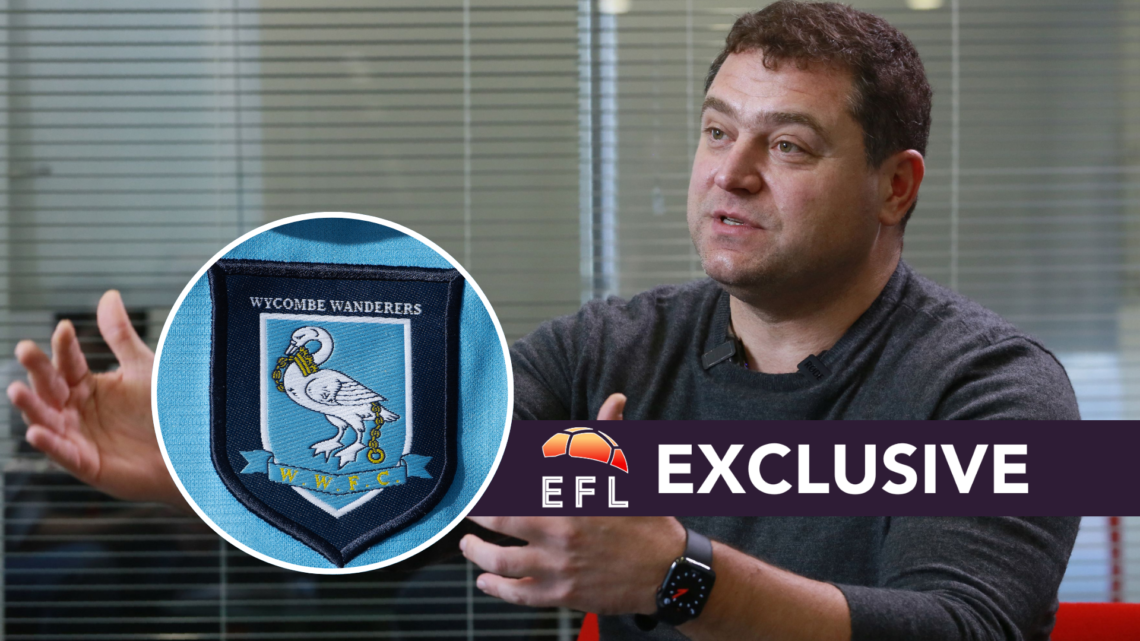


For over a year now, Wycombe Wanderers have been owned by Kazakhstani billionaire Mikheil Lomtadze — EFL Analysis now have more details on what to expect.
Wycombe Wanderers announced in May of last year that ownership of Feliciana EFL Ltd — which owns 90% of the League One outfit — had been transferred to Blue Ocean Partners II Limited, owned by Lomtadze.
The Chairboys had been owned by American businessman Rob Couhig since February 2020. However, Couhig has now bought Reading FC instead. Meanwhile, Lomtadze was listed 581st on the Forbes list of billionaires this year with an estimated net worth of $5.7bn (£4.5bn).
Mike Dodds’ Wycombe side lost to Charlton Athletic in a tactical battle in the play-offs, but there is plenty of cause for optimism away from the football pitch. Now, in an EFL Analysis exclusive, we have gained an insight into what is next for them.
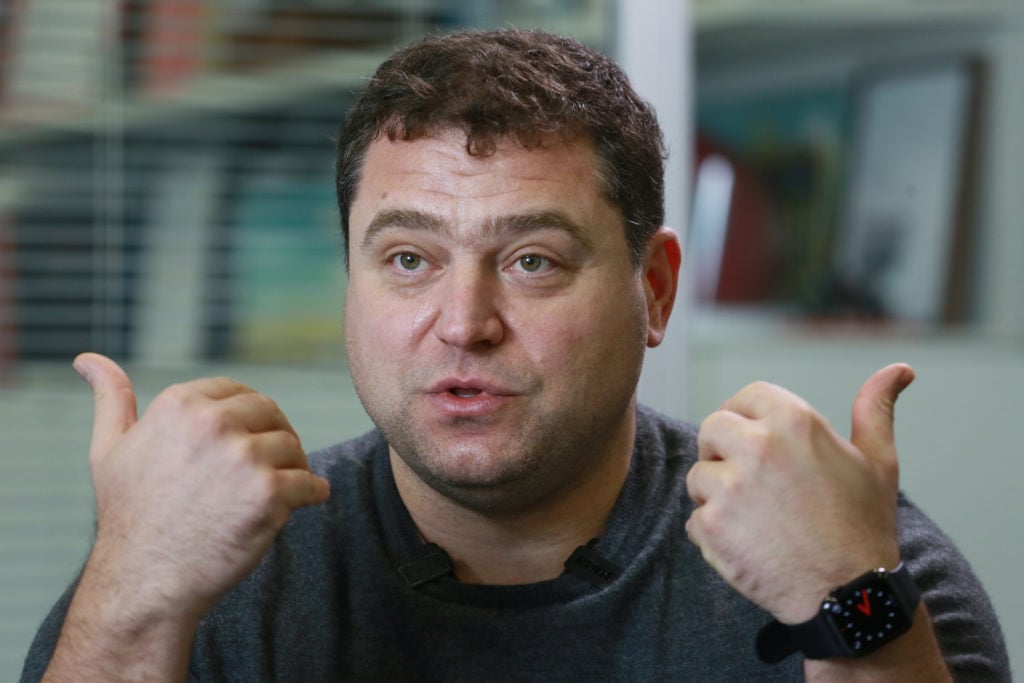
Wycombe Wanderers are expected to invest heavily in the academy under Mikheil Lomtadze
As EFL Analysis exclusively revealed in March, Richard Kone could leave Wycombe this summer after their failure to gain promotion. A number of clubs in the Championship are eyeing a move, with Wycombe part of the 2025/26 League One line up.
It means they could require significant investment in the squad and to find a replacement for him to challenge at the top end of League One again.
But what are the chances of Wycombe becoming another Wrexham or Birmingham City? We asked our football finance expert Adam Williams for his thoughts on their situation both short and long-term under Lomtadze.
Williams said: “In terms of their spending power relative to Wrexham and Birmingham, the first thing you’d ideally do is look at their respective revenues.
“With Wycombe, however, that’s hard because they’re classified as a ‘small company’ at Companies House and don’t report their financial figures in the same detail as Wrexham and Birmingham.
“But it’s safe to say that the latter two are far better resourced even before it comes to external funding from the owners.
“In League One from next season, clubs will be required to spend less than 60 per cent of revenue, equity funding and profits on player sales on wages, transfers and agent fees.
“So, Wycombe are only as good as the money they generate. That’s partly why Mikheil Lomtadze is investing in the academy.
“It’s easier to invest in the academy, give young players a route to the first team and then generate player sale profits than it is to develop a fanbase over years and generate big matchday and commercial income like, say, Birmingham.”

Football finance expert compares Wycombe’s financial situation to Wrexham and Birmingham
Williams then explained the differences in more detail between Wycombe and the recently promoted duo of Wrexham and Birmingham, with both backed with plenty of investment in the third tier.
He added: “They generated revenue of almost £30 million in the last financial year — though they were, of course, in the Championship that year — which delivers about £10 million in TV money.
“They have always been a bit of a sleeping giant, in my opinion. There’s a huge fanbase there that were waiting to get excited about the team again.
“Wrexham are a bit of an anomaly in every respect. We don’t have their 2024/25 accounts yet, but their revenue in 2023/24 — when they were in League Two — was extraordinarily high.
“They have used the star power of their owners in a slightly different way. They’ve created a local buzz, yes, but the massive commercial revenue they are generating is international, not domestic.
“Wycombe don’t have the celebrity aspect, so the owners need to approach it in a different way. Investment in infrastructure and the academy doesn’t count towards PSR, so that’s the area they need to target.
“That way, they can grow sustainably, develop a good player trading model and unlock greater spending power. But it will be a slower burn than Wrexham and Birmingham if it happens.”