
 Burnley
 Blackburn Rovers
 Coventry City
 Derby County
 Leeds United
 Luton Town
 Middlesbrough
 Millwall
 Norwich City
 Portsmouth
 Sheffield Wednesday
 Sheffield United
 QPR
QPR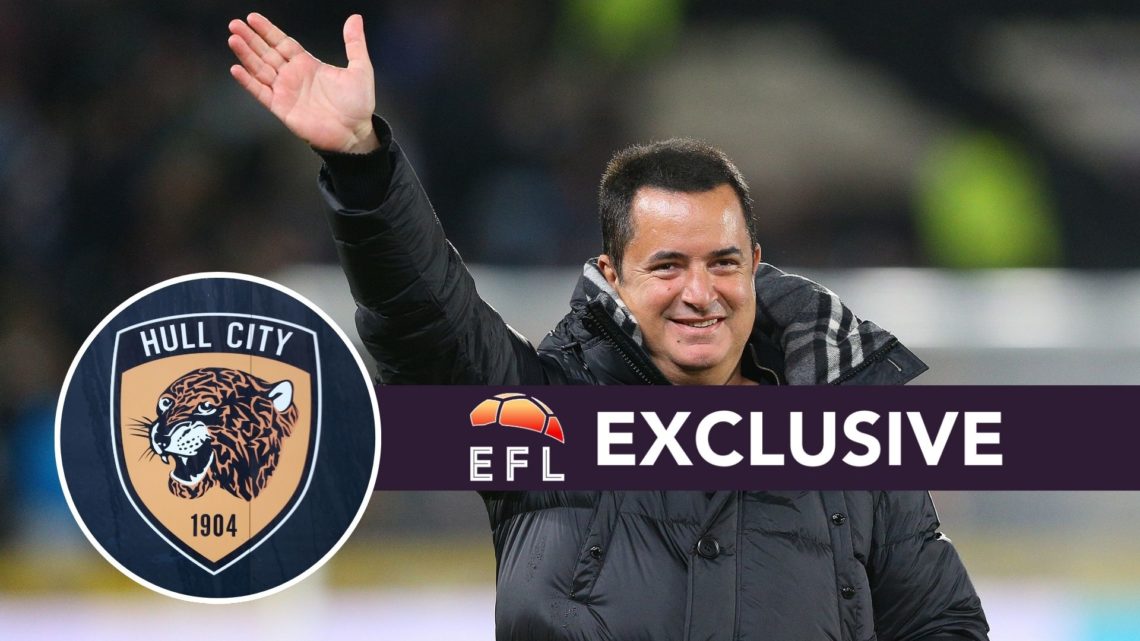


Acun Ilicali has come under intense scrutiny this summer for mismanaging Hull City’s finances, and now a finance expert has delved deeper into the problems awaiting the Tigers.
The problems started for Hull City this summer when Acun Ilicali failed to pay Aston Villa a £1 million loan fee for Louie Barry, who joined the club in January.
Unfortunately, Hull were slapped with a three-window transfer ban as a result, meaning they’ve been unable to sign players when there’s a fee involved.
The Turkish owner has been criticised for his rash decision-making and overspending on players, seeing Hull’s wage bill rise by 218% since completing his takeover in January 2022.
Although the EFL have since removed Hull’s salary cap and multiple players have arrived, including former Sheffield Wednesday defender Akin Famewo and Manchester City winger Joel Ndala, the club are still in hot water financially.
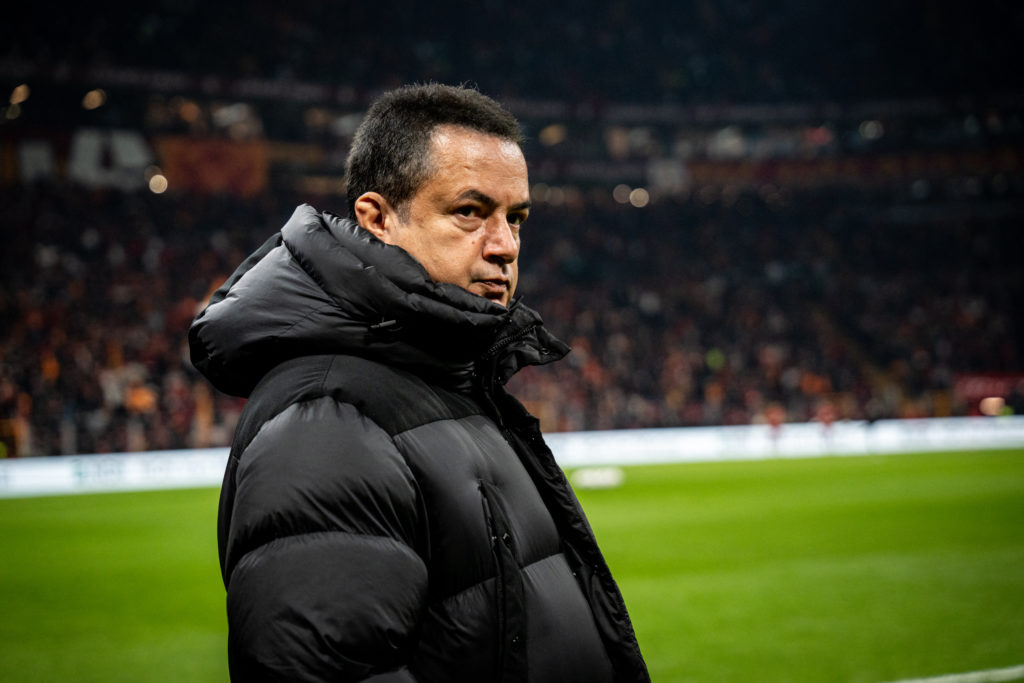
Hull City’s finances analysed
City’s situation has improved in recent weeks in terms of their ability to sign players, and Hull are hopeful of landing Oli McBurnie ahead of Ipswich Town and Sheffield United.
But on the other hand, the Tigers still owe £22 million in outstanding transfers due to them paying for fees in instalments.
EFL Analysis spoke to finance expert Adam Williams about this figure, and he said it isn’t an issue as long as they can pay it, citing that other Championship clubs do similar.
“The transfer debt, which reportedly stands at £22m, is not an issue if Hull City are able to pay it,” Williams said.
“Other than the parachute payment clubs, there Ipswich Town, Watford, Middlesbrough, and Coventry City had transfer debts within the £15-25m bracket in the last financial year. It’s a legitimate way of structuring transfers to pay in instalments in this manner.”
While paying for their outstanding fees shouldn’t be a problem, Williams does question where the £30 million received last summer has gone, and the huge issue created by the wage bill skyrocketing.
“Clearly, however, the issue is that the club is unable to uphold its commitments. That’s why they’ve asked the teams they’ve signed players for a reprieve in terms of the repayment date. It’s also troubling that they have received around £30m in transfer fees last summer and yet are still seemingly unable to service the transfer debt.”
“That’s a result of the wage bill, which was 139 per cent of revenue in the last financial year. That’s the issue here, separate to the specifics of the embargo case. The club has big cash flow requirements.”
Verdict shared on Hull City’s debt under Acun Ilicali
Ilicali has been rightfully criticised for mismanaging Hull’s finances, and Williams feels the Turk owing Ehab Allam £3 million from Jarrod Bowen’s sale in 2020 is ‘highly unusual’.
“In terms of the £3m owed to the former owner from add-ons in the Bowen’s sale, I’ve never heard of that before. That’s highly unusual,” he said.
Meanwhile, the finance expert also spoke about the problem of balancing the squad’s wage bill when they can only sign players for free or on loan, along with Ilicali’s unwillingness to cover the external debt.
“Because of their financial obligations, they need to cut the cost base, with the biggest expense being the wage bill. But it’s catch 22 because it’s going to be very hard to rebase the squad when you’re only allowed to sign players on free transfers and loans,” Williams added.
“Ultimately, however, if the owner was willing to underwrite the losses and cover the external debt obligations, they would be fine. It looks like he is perhaps more reluctant to do that now as he has already plunged more than £60m into the project.
“Whatever the issue, it needs to be sorted out. It’s not good ownership, in my view. If you’re willing to gamble financially to deliver the good times, you have to stick around to deal with the consequences if it goes wrong.”
“Clearly, he has ingratiated himself with fans because of the free travel initiatives and cheap tickets, but he has used up a lot of that credit.”